Why High-Achieving Women Keep Looking for More Wellness Hacks (When What They Really Need Is Less Pressure)
If you're anything like the women I work with, researching health and weight loss online has probably kept you up at night more than you’d like to admit.
Maybe you've wondered whether:
seed oils are the problem
cortisol is sabotaging your weight loss
you need a greens powder
a continuous glucose monitor would provide valuable insight
red light therapy is worth the investment
your magnesium supplement is the missing piece
And honestly?
I get it.
I used to stay awake at night stressing about calories, carbs, and the scale too.
But after more than a decade of helping women lose weight and keep it off, I've noticed something interesting:
The women who struggle the most with sustainable weight loss are rarely the women who need more information.
In fact, they're usually drowning in it.
The Hyper-Independent Woman's Trap
A lot of the women I coach fit the eldest daughter stereotype.
They're:
responsible
reliable
capable
high-achieving
people-pleasing
used to figuring things out on their own
And when they encounter a problem, they don't typically ask for help.
They research.
They optimize.
They listen to podcasts.
They buy the book.
They find the expert.
And when it comes to their health, many approach it the same way.
They assume the answer must be:
more knowledge
more optimization
more discipline
more effort
Because that's how they've solved every other problem in their lives.
But health and weight loss are different.
Because sustainable behavior change isn't primarily an information problem.
It's often a capacity one.
The Wellness Industry Loves Complexity Because Complexity Sells
The wellness industry has convinced a lot of smart women that they're one missing supplement away from success.
One missing protocol.
One missing hormone hack.
One missing gadget.
One missing routine.
And while some of these tools may have merit, they often distract from the handful of healthy behaviors that actually account for the majority of your results.
Here are a few examples I think are wildly overrated by the wellness industry:
1. "Healthified" Processed Foods
The wellness industry loves taking highly processed foods and giving them a health makeover.
Add some:
protein powder
collagen
raw honey
avocado oil
beef tallow
chia seeds
and suddenly the product is marketed as a health food.
Wellness culture acts like adding a trendy ingredient fundamentally changes what the food is, which is misleading, at best.
A protein cookie is still a cookie.
Potato chips cooked in beef tallow are still potato chips.
And one of the risks here is something called the health halo effect: perceiving a food as healthier and being more likely to over consume it because our brains assign it to the “this is good for me” category.
2. The Fear of Processed Foods
Ironically, at the same time, the wellness industry likes to demonize anything that comes in a package.
Even when those foods encourage more consistent and nourishing consumption (e.g. protein pasta, frozen/canned vegetables, rotisserie chicken).
One of the biggest mistakes I see high-achieving women make is creating health standards that don't fit their actual lives.
They believe every meal should be homemade.
Every ingredient should be organic.
Every dinner should be prepared from scratch.
Only to become overwhelmed and abandon the entire plan because those standards don’t work with their busy, messy lives.
Convenience isn't cheating.
Sometimes it's the exact support you need.
3. Morning Routines That Feel Like Part-Time Jobs
Wake up at 4:30am.
Journal.
Meditate.
Cold plunge.
Ground barefoot in the grass.
Drink your mushroom elixir.
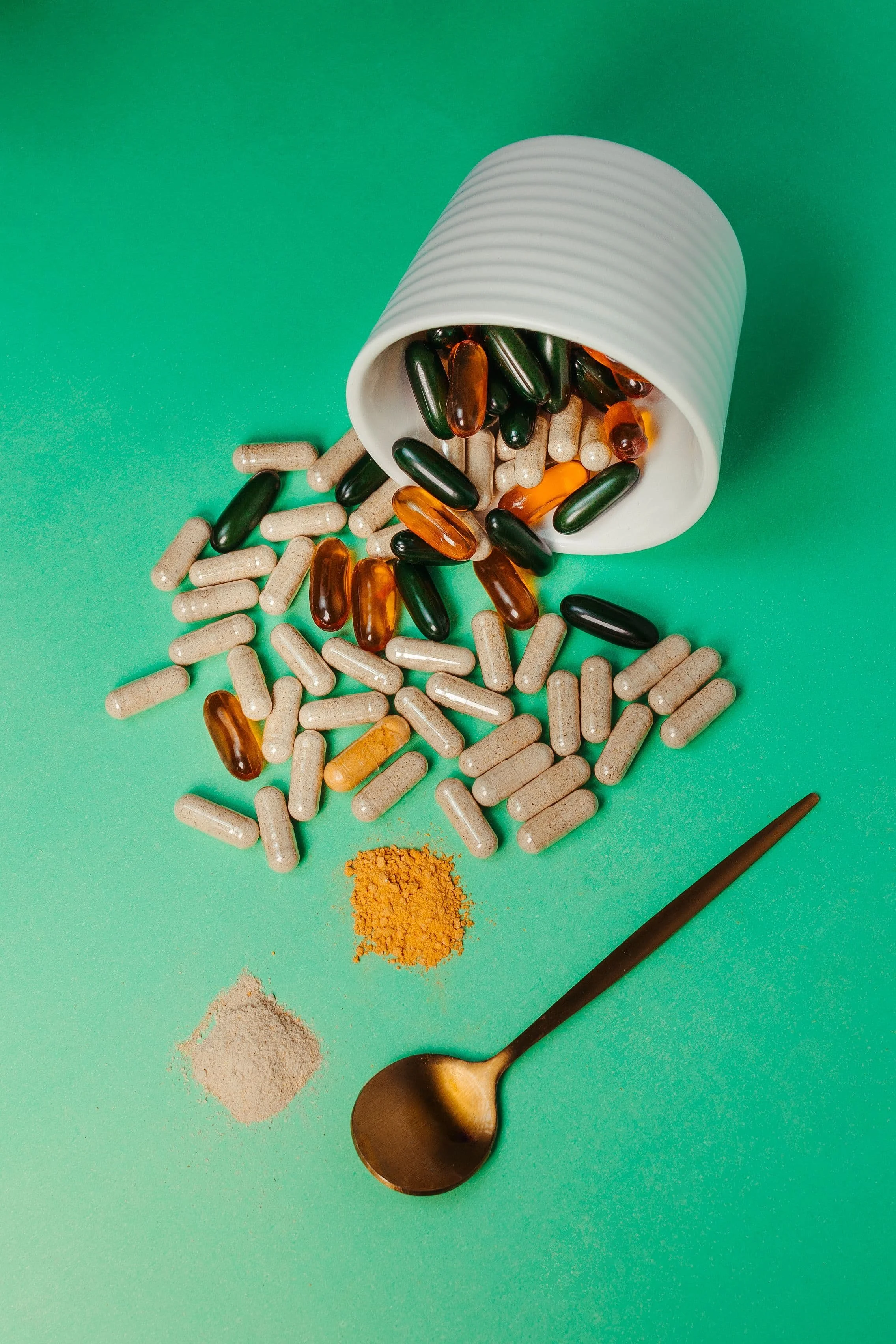
Take your supplements.
Use your red light mask.
Complete your workout.
Prepare your anti-inflammatory breakfast.
All before the rest of your family wakes up.
And look, some of these practices may offer benefits.
But for many women, these routines create a dangerous illusion: that health requires endless effort.
That if you aren't doing all of these things, you aren't trying hard enough.
When in reality, most adults are operating with limited bandwidth and when reaching your health and weight loss goals starts feeling like another full-time job, adherence becomes incredibly difficult.
4. Supplements That Replace Foundational Habits
The wellness industry is excellent at selling solutions.
Unfortunately, many of those solutions are aimed at problems that are often rooted in:
chronic stress
insufficient sleep
inconsistent eating habits
low protein intake
inadequate fiber intake
lack of movement
A supplement can support healthy habits, but it can't replace them (despite what wellness culture would have you believe)
5. The "Natural" Halo
One of the most powerful marketing tools in wellness is the word "natural."
But natural doesn't inherently mean:
healthier
safer
more nutritious, or
better for weight loss
Raw sugar is still sugar.
Organic cookies are still cookies.
Raw honey is still a concentrated source of calories.
Context matters. Dose matters. Overall dietary patterns matter.
And unfortunately, wellness marketing ignores those nuances.
6. Biohacking Before Mastering the Basics
This one might be my biggest pet peeve.
Because I see women spending enormous amounts of money on:
wearables
“hormone balancing” protocol
glucose monitors
recovery gadgets
supplement stacks, and
other optimization tools
While simultaneously:
skipping meals
under-eating protein and fiber
sleeping five hours per night
avoiding strength training, and
living in a constant state of overwhelm
It's a little like color-coding your planner when you're already overwhelmed and stretched too thin… the organization looks nice, but it doesn't solve the real problem.
The fundamentals have to come first.
What Actually Moves the Needle?
For most people, it’s not more wellness information.
It’s support implementing the basics consistently.
That looks like:
eating enough protein
eating fruits, vegetables, and legumes regularly
strength training a few times per week
getting adequate and restful sleep
managing stress
planning ahead
reducing friction and anticipating barriers,
building habits that fit real life
Not the version of you who wakes up at 4:30am and has unlimited time, energy, and executive functioning (who’s she!?).
Your actual life.
Because sustainable weight loss doesn't happen when you become a perfectly optimized human.
It happens when you stop trying so damn hard to be one.
And for a lot of hyper-independent, high-achieving women, that realization feels like finally being allowed to exhale.
Tune in to episode #360 of the Health, Wellth & Wisdom Podcast to hear more about these 6 Things The Wellness Industry Loves That I Think Are Overrated